

Siam Crisp publishes guides for cooks, buyers, and restaurant teams who want flavor to be easier to understand. Each guide keeps the advice practical: what to notice, how to use the condiment, where the flavor belongs, and what mistakes to avoid when comparing jars or serving Thai crispy chili at the table.
Before choosing a jar or planning a dish, think about the role the condiment must play. Sometimes it is a finishing crunch for a simple rice bowl. Sometimes it is a fast aromatic base for a sauce. Sometimes it is a retail product that has to explain itself on a shelf in five seconds. The strongest crispy chili can move between those jobs because the flavor is structured, not random.
That structure is also what makes the product easier to buy with confidence. Look for a clear flavor promise, visible texture, practical serving ideas, and a profile that respects the food underneath it. A Thai crispy chili should add excitement, but it should also solve a real kitchen problem: making everyday meals taste layered without turning dinner into a complicated project.
Use It as a Finishing Signature
Restaurants need ingredients that create recognition without slowing down service. Thai crispy chili works because it can become a finishing signature on multiple menu items. That distinction matters because the product is not only a way to add heat. It is a way to add texture, aroma, and a sense of preparation to food that may otherwise be very simple.
A spoonful on noodles, rice bowls, grilled chicken, egg dishes, or roasted vegetables makes the plate feel more intentional. The crunch adds visual contrast, the oil adds aroma, and the heat gives guests a memorable flavor cue. In practical terms, the best use is to treat the jar like a finishing ingredient with a clear job. Decide whether the dish needs crunch, aromatic oil, chili warmth, or all three, then spoon accordingly. This keeps the flavor controlled and helps every serving feel intentional.
Practical check 1
The best menu use is visible, not hidden. A good crispy chili should make the next bite more inviting. If the condiment takes over the dish, tastes harsh, or hides the base ingredient, reduce the amount and add freshness, broth, rice, or lime to bring the plate back into balance.
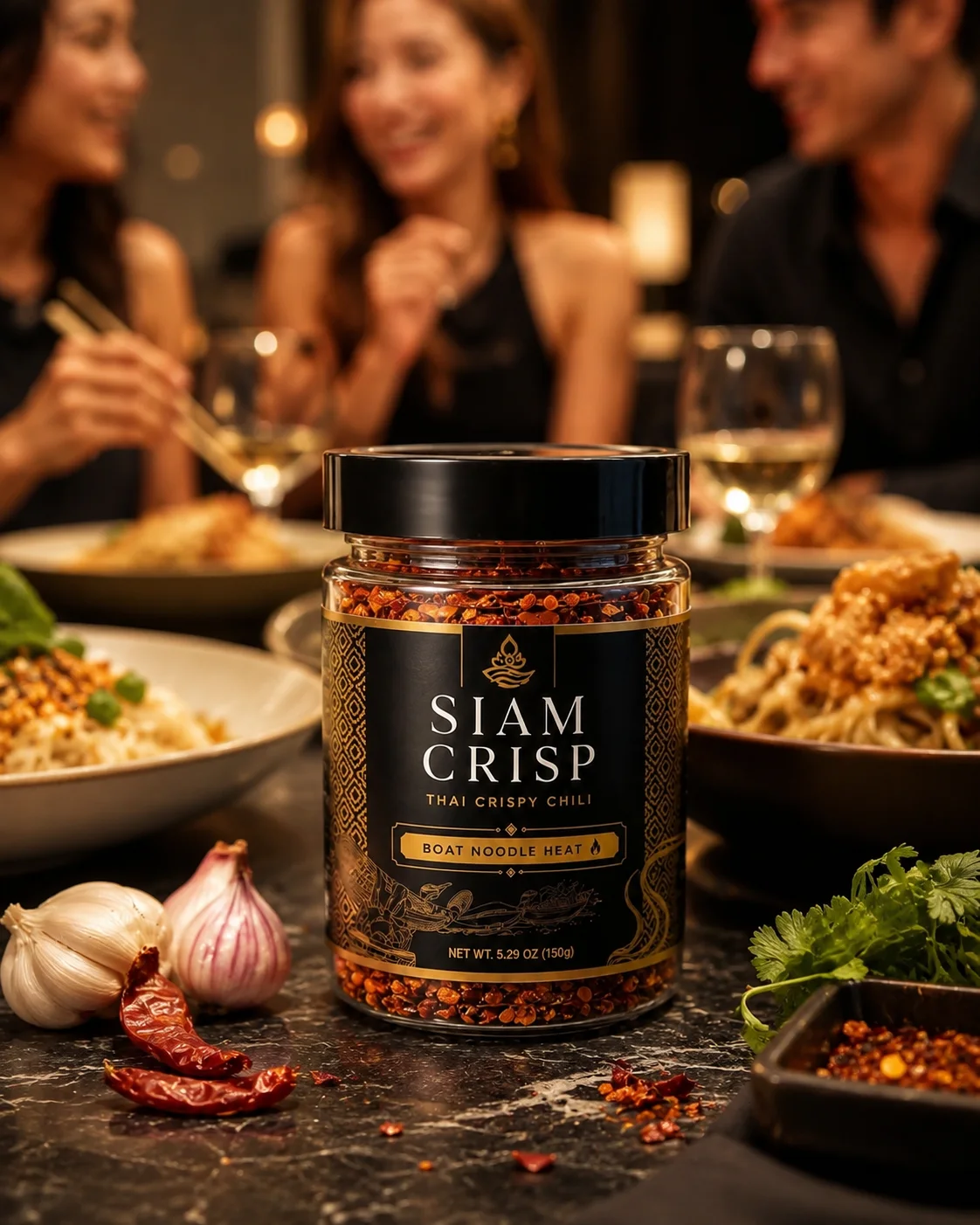
Design One Hero Dish
A condiment sells best when guests can experience it in a clear hero dish. Build one bowl, noodle, or brunch plate where the crispy chili is named in the menu description. That distinction matters because the product is not only a way to add heat. It is a way to add texture, aroma, and a sense of preparation to food that may otherwise be very simple.
That dish becomes the anchor for staff training and guest understanding. Once diners recognize the flavor, it becomes easier to upsell sides, dips, retail jars, or add-on spoons for other plates. In practical terms, the best use is to treat the jar like a finishing ingredient with a clear job. Decide whether the dish needs crunch, aromatic oil, chili warmth, or all three, then spoon accordingly. This keeps the flavor controlled and helps every serving feel intentional.
Practical check 2
Do not scatter the condiment everywhere before guests know what it is. A good crispy chili should make the next bite more inviting. If the condiment takes over the dish, tastes harsh, or hides the base ingredient, reduce the amount and add freshness, broth, rice, or lime to bring the plate back into balance.
Create Add-On Revenue
A small paid add-on can be more effective than hiding premium ingredients in the base food cost. Offer a chili crisp spoon, side ramekin, or upgrade line for selected dishes. That distinction matters because the product is not only a way to add heat. It is a way to add texture, aroma, and a sense of preparation to food that may otherwise be very simple.
This approach gives heat-sensitive guests control and lets fans double down. It also helps the restaurant measure demand before committing to broader menu placement. In practical terms, the best use is to treat the jar like a finishing ingredient with a clear job. Decide whether the dish needs crunch, aromatic oil, chili warmth, or all three, then spoon accordingly. This keeps the flavor controlled and helps every serving feel intentional.
Practical check 3
The add-on must be priced clearly and delivered consistently. A good crispy chili should make the next bite more inviting. If the condiment takes over the dish, tastes harsh, or hides the base ingredient, reduce the amount and add freshness, broth, rice, or lime to bring the plate back into balance.
Build Dips and Sauces
Food-service teams can turn Thai crispy chili into sauces quickly. Mix it with lime, coconut yogurt, soy, mayo, vinegar, or a mild house dressing depending on the concept. That distinction matters because the product is not only a way to add heat. It is a way to add texture, aroma, and a sense of preparation to food that may otherwise be very simple.
The resulting sauce can support fries, dumplings, wings, grilled vegetables, sandwiches, rice bowls, and tasting menus. The condiment provides aroma and texture while the base ingredient controls body. In practical terms, the best use is to treat the jar like a finishing ingredient with a clear job. Decide whether the dish needs crunch, aromatic oil, chili warmth, or all three, then spoon accordingly. This keeps the flavor controlled and helps every serving feel intentional.
Practical check 4
Keep the sauce name simple so servers can explain it in one sentence. A good crispy chili should make the next bite more inviting. If the condiment takes over the dish, tastes harsh, or hides the base ingredient, reduce the amount and add freshness, broth, rice, or lime to bring the plate back into balance.
Use Retail as Proof
If a restaurant, hotel, or cafe has retail shelves, a premium crispy chili jar can extend the experience beyond the meal. Guests who enjoyed the dish can take the flavor home. That distinction matters because the product is not only a way to add heat. It is a way to add texture, aroma, and a sense of preparation to food that may otherwise be very simple.
This is especially strong for specialty grocers, modern Thai concepts, boutique hotels, and gift shops. The product becomes both an ingredient and a memory of the place. In practical terms, the best use is to treat the jar like a finishing ingredient with a clear job. Decide whether the dish needs crunch, aromatic oil, chili warmth, or all three, then spoon accordingly. This keeps the flavor controlled and helps every serving feel intentional.
Practical check 5
Retail works best when the menu already proves the use case. A good crispy chili should make the next bite more inviting. If the condiment takes over the dish, tastes harsh, or hides the base ingredient, reduce the amount and add freshness, broth, rice, or lime to bring the plate back into balance.
Standardize the Spoon
Consistency matters in service. Decide whether a dish receives one teaspoon, one tablespoon, a drizzle of oil, or a crunch-heavy topping. Then train the team to repeat it. That distinction matters because the product is not only a way to add heat. It is a way to add texture, aroma, and a sense of preparation to food that may otherwise be very simple.
A standardized spoon keeps heat level predictable, food cost controlled, and guest expectations stable. It also protects the condiment from being blamed for plates that were simply over-applied. In practical terms, the best use is to treat the jar like a finishing ingredient with a clear job. Decide whether the dish needs crunch, aromatic oil, chili warmth, or all three, then spoon accordingly. This keeps the flavor controlled and helps every serving feel intentional.
Practical check 6
Premium does not mean improvised. Premium means repeatable. A good crispy chili should make the next bite more inviting. If the condiment takes over the dish, tastes harsh, or hides the base ingredient, reduce the amount and add freshness, broth, rice, or lime to bring the plate back into balance.

Final takeaway
The best Thai crispy chili is not just a spicy extra. It is a pantry shortcut with a clear role: bring crunch, aroma, heat, and savory Thai character to food that people already love. When the condiment is balanced, it becomes easy to use repeatedly, easy to explain to guests, and easy to build into a home kitchen, retail shelf, or restaurant menu.
For a final test, serve it with something plain and something complex. Plain rice or eggs will reveal whether the condiment has enough texture and seasoning to stand on its own. A noodle bowl, grilled dish, or vegetable plate will show whether it can support other flavors without becoming noisy. If both tests work, the jar has real range.