

Siam Crisp publishes guides for cooks, buyers, and restaurant teams who want flavor to be easier to understand. Each guide keeps the advice practical: what to notice, how to use the condiment, where the flavor belongs, and what mistakes to avoid when comparing jars or serving Thai crispy chili at the table.
Before choosing a jar or planning a dish, think about the role the condiment must play. Sometimes it is a finishing crunch for a simple rice bowl. Sometimes it is a fast aromatic base for a sauce. Sometimes it is a retail product that has to explain itself on a shelf in five seconds. The strongest crispy chili can move between those jobs because the flavor is structured, not random.
That structure is also what makes the product easier to buy with confidence. Look for a clear flavor promise, visible texture, practical serving ideas, and a profile that respects the food underneath it. A Thai crispy chili should add excitement, but it should also solve a real kitchen problem: making everyday meals taste layered without turning dinner into a complicated project.
Dried Chili Provides Shape
Dried chili is more than a heat source. The cut, toast level, and freshness influence color, aroma, bitterness, and how the flakes feel in the mouth. That distinction matters because the product is not only a way to add heat. It is a way to add texture, aroma, and a sense of preparation to food that may otherwise be very simple.
A premium crispy chili should have visible chili pieces that look bright and deliberate, not dusty or faded. The flavor should be warm and layered, with enough heat to register but not so much that it masks every other ingredient. In practical terms, the best use is to treat the jar like a finishing ingredient with a clear job. Decide whether the dish needs crunch, aromatic oil, chili warmth, or all three, then spoon accordingly. This keeps the flavor controlled and helps every serving feel intentional.
Practical check 1
Flat heat is easy. Controlled heat is craft. A good crispy chili should make the next bite more inviting. If the condiment takes over the dish, tastes harsh, or hides the base ingredient, reduce the amount and add freshness, broth, rice, or lime to bring the plate back into balance.
Garlic Adds Golden Crunch
Fried garlic is one of the most important texture builders. When handled well, it brings sweetness, savory depth, and a delicate chip-like bite. That distinction matters because the product is not only a way to add heat. It is a way to add texture, aroma, and a sense of preparation to food that may otherwise be very simple.
The challenge is timing. Under-fried garlic tastes raw and harsh. Over-fried garlic turns bitter and dominates the jar. A good condiment keeps garlic golden and integrated, so it supports the chili instead of competing with it. In practical terms, the best use is to treat the jar like a finishing ingredient with a clear job. Decide whether the dish needs crunch, aromatic oil, chili warmth, or all three, then spoon accordingly. This keeps the flavor controlled and helps every serving feel intentional.
Practical check 2
Look for a clean toasted aroma rather than a burnt smell. A good crispy chili should make the next bite more inviting. If the condiment takes over the dish, tastes harsh, or hides the base ingredient, reduce the amount and add freshness, broth, rice, or lime to bring the plate back into balance.
Shallot Brings Sweetness
Shallot gives crispy chili a rounder, more fragrant sweetness than garlic alone. It helps the condiment feel complete on plain rice and softens the edge of the chili. That distinction matters because the product is not only a way to add heat. It is a way to add texture, aroma, and a sense of preparation to food that may otherwise be very simple.
In a premium jar, shallot should not feel limp or greasy. It should provide a light crispness and a savory sweetness that works with noodles, broths, eggs, and vegetables. In practical terms, the best use is to treat the jar like a finishing ingredient with a clear job. Decide whether the dish needs crunch, aromatic oil, chili warmth, or all three, then spoon accordingly. This keeps the flavor controlled and helps every serving feel intentional.
Practical check 3
If the condiment tastes one-dimensional, it may be missing this aromatic middle. A good crispy chili should make the next bite more inviting. If the condiment takes over the dish, tastes harsh, or hides the base ingredient, reduce the amount and add freshness, broth, rice, or lime to bring the plate back into balance.
Herbs and Spice Notes Create Thai Identity
Thai pantry flavor is not only chili and garlic. Herbs, warm spice notes, and savory seasoning can make the difference between a generic chili crunch and a condiment that feels rooted in Thai cooking. That distinction matters because the product is not only a way to add heat. It is a way to add texture, aroma, and a sense of preparation to food that may otherwise be very simple.
The key is restraint. A crispy chili should suggest depth without tasting like a whole spice cabinet. Each background note should make the next spoonful more interesting while keeping the product easy to use. In practical terms, the best use is to treat the jar like a finishing ingredient with a clear job. Decide whether the dish needs crunch, aromatic oil, chili warmth, or all three, then spoon accordingly. This keeps the flavor controlled and helps every serving feel intentional.
Practical check 4
Identity is built through balance, not clutter. A good crispy chili should make the next bite more inviting. If the condiment takes over the dish, tastes harsh, or hides the base ingredient, reduce the amount and add freshness, broth, rice, or lime to bring the plate back into balance.
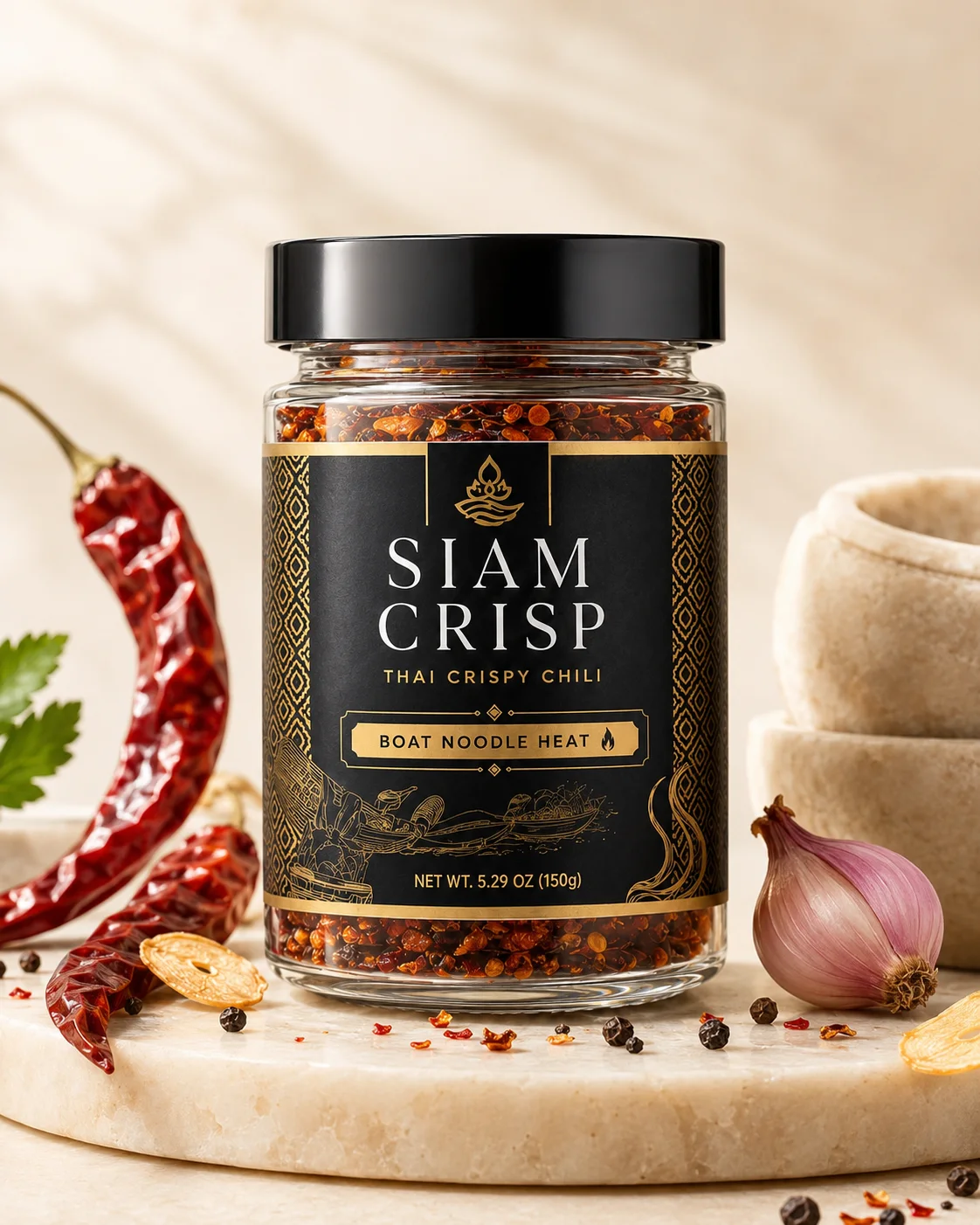
Oil Carries Aroma
A clean oil base captures fat-soluble aromatics and makes the condiment spoonable. It should taste fresh, carry color beautifully, and leave a pleasant finish. That distinction matters because the product is not only a way to add heat. It is a way to add texture, aroma, and a sense of preparation to food that may otherwise be very simple.
Too little oil makes the jar dry and hard to use. Too much oil makes the crunch feel like an afterthought. The best balance lets cooks decide whether they want a drizzle, a crunchy topping, or both together. In practical terms, the best use is to treat the jar like a finishing ingredient with a clear job. Decide whether the dish needs crunch, aromatic oil, chili warmth, or all three, then spoon accordingly. This keeps the flavor controlled and helps every serving feel intentional.
Practical check 5
Oil should never smell tired, waxy, or stale. A good crispy chili should make the next bite more inviting. If the condiment takes over the dish, tastes harsh, or hides the base ingredient, reduce the amount and add freshness, broth, rice, or lime to bring the plate back into balance.
Seasoning Makes It Usable
Salt, sweetness, acidity, and umami decide whether a condiment can live on the table. Heat may impress once, but seasoning is what makes people come back. That distinction matters because the product is not only a way to add heat. It is a way to add texture, aroma, and a sense of preparation to food that may otherwise be very simple.
Siam Crisp is designed to work as a finishing layer. That means the seasoning needs to wake up simple food without forcing the cook to rebuild the whole dish around the jar. In practical terms, the best use is to treat the jar like a finishing ingredient with a clear job. Decide whether the dish needs crunch, aromatic oil, chili warmth, or all three, then spoon accordingly. This keeps the flavor controlled and helps every serving feel intentional.
Practical check 6
Usability is the quiet sign of a well-designed pantry product. A good crispy chili should make the next bite more inviting. If the condiment takes over the dish, tastes harsh, or hides the base ingredient, reduce the amount and add freshness, broth, rice, or lime to bring the plate back into balance.
Final takeaway
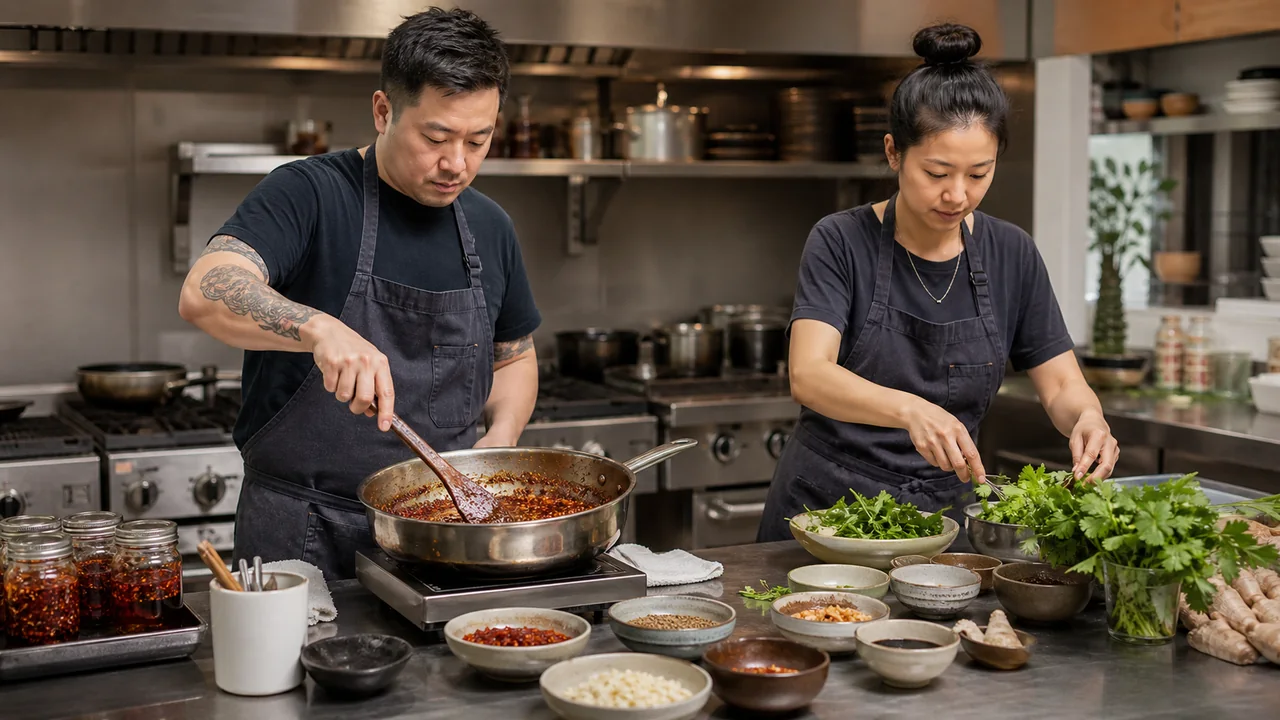
The best Thai crispy chili is not just a spicy extra. It is a pantry shortcut with a clear role: bring crunch, aroma, heat, and savory Thai character to food that people already love. When the condiment is balanced, it becomes easy to use repeatedly, easy to explain to guests, and easy to build into a home kitchen, retail shelf, or restaurant menu.
For a final test, serve it with something plain and something complex. Plain rice or eggs will reveal whether the condiment has enough texture and seasoning to stand on its own. A noodle bowl, grilled dish, or vegetable plate will show whether it can support other flavors without becoming noisy. If both tests work, the jar has real range.